

Speak Out · Act · Reclaim
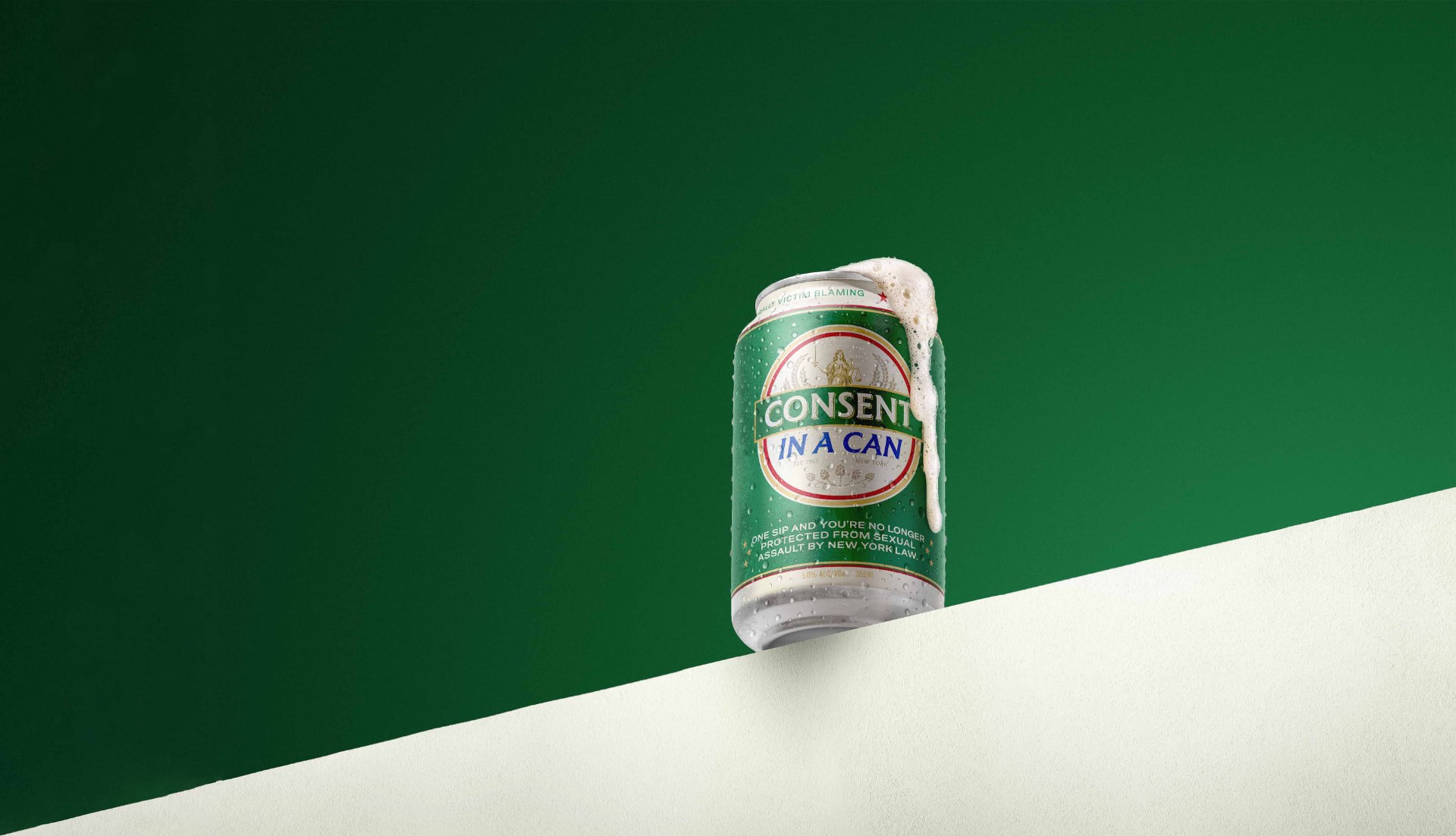
Consent shouldn’tcome in a can.Consent shouldn’t come in a can.
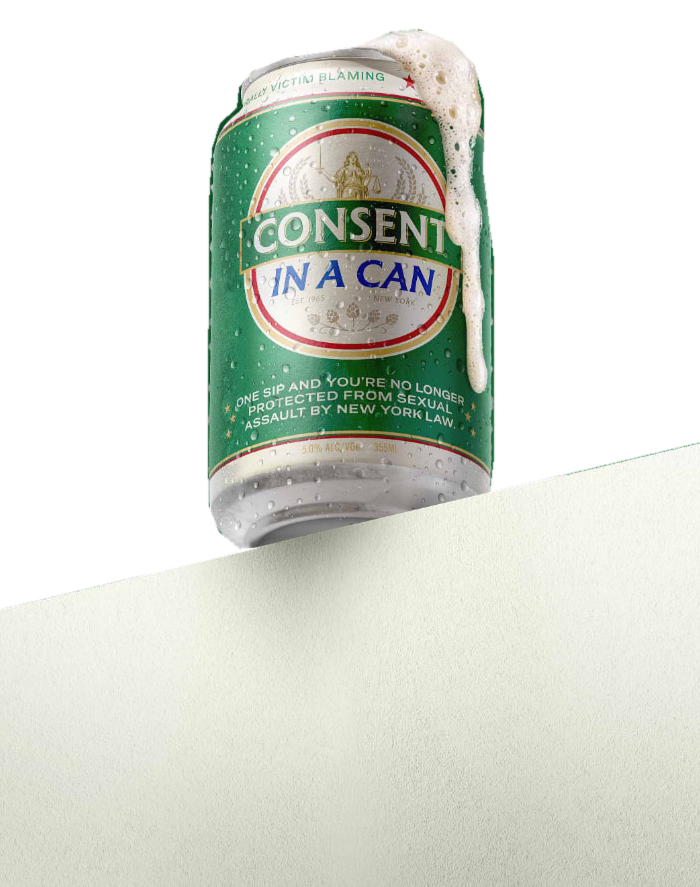
But a loophole in New York state law means that any sexual assault case can be thrown out in court if the victim chose to drink alcohol.
What can you do about it? Call Speaker Carl Heastie and tell him to call for a vote on Bill A101 to prohibit the use of voluntary intoxication of the victim as a defense in sex crimes.
What to say
Call 1-518-455-3791 and say:
Hello Speaker Carl Heastie, My name is [NAME] and I live in [CITY].
I am calling to ask you to schedule a vote to close New York’s voluntary intoxication loophole with the passage of Bill A101 to prohibit the use of intoxication of the victim as a defense in sex crimes.
Because having a drink shouldn’t strip you of your right to say no.
Thank you for your time.
The loophole
What is Bill A101?
Under current law in New York, someone who voluntarily consumes drugs or alcohol may be too intoxicated to consent, but will still fall outside legal protections if they’re able to speak or move. This means if they willingly take a drink and are then assaulted, they are responsible for what happens next.
This is what’s known as the voluntary intoxication loophole, or A101.
Right now, the law protects victims who are voluntarily intoxicated at the point of physical helplessness. What does that mean? If you drink until you are unconscious and unable to speak, New York law will protect you.
This leaves a lot of people behind.
Why it matters
Black-out is not unconsciousness
There’s a difference between memory black-out and unconsciousness. Mental incapacitation and physical helplessness are very different things.
Think: if someone is black-out drunk and throwing up in the parking lot of a bar, they are not physically helpless. But they also cannot consent to sex.
For New York prosecutors to press charges in rape cases, they need evidence that the victim was fully unconscious, unable to move, and unable to speak. Short of this criteria, a lack of consent does not matter.
Date-rape drugs
Untraceable, and treated as if you chose it
Date-rape drugs are completely untraceable. They are colorless, odorless, and tasteless. They do not show up in blood or urine tests after the fact. The absence of clear evidence means that cases where victims are assaulted with the use of tampered drinks are still treated like they were voluntarily intoxicated.
Many of these drugs cause dizziness, memory loss, and confusion, but not unconsciousness.
This means: in New York, if a predator spikes someone’s drink and assaults them, it can legally be considered consensual sex. A101 finally changes that.
A101 vs. A101A
Two versions of this bill. Only one closes the loophole.
This is where things get complicated, but bear with us. Right now, there are two versions of this bill: A101 and A101A. Also known as the good bill (A101) and the bad bill (A101A).
Depending on which bill passes, this is the difference between closing this loophole or keeping it open.
The bad bill · A101A
The bad bill A101A adds an additional obstacle for survivors instead.
It says that survivors have to clearly communicate that they were unable to consent: meaning they have to be physically unable to do so.
Think about the earlier examples above. A person throwing up in a bar parking lot may still be able to speak, but not fight off a sexual assault. Someone who is drugged and date-raped may be able to walk around, but not understand why someone is pulling them into a hotel room.
This difference matters.
The first bill brings justice to survivors. The second is a repeat of the same, flawed law we already have.
That’s why we’re asking you to call Speaker Carl Heastie and demand he schedule a vote to close the voluntary intoxication loophole.
We want the good bill: the unwatered down version of A101 that will close the loophole and help bring justice to survivors across the state. We won’t settle for less.